





Written by Georgie Farrar. Physiotherapist and APPI Pilates Instructor, APPI Clinics.
I trained vocationally at Elmhurst Ballet School from the age of 11 to 19. These years were challenging, intense and incredibly formative. They taught me discipline, precision, resilience, and a strong work ethic — qualities that I have naturally carried into my physiotherapy career.
Throughout my training, I suffered several injuries, which sparked my interest in anatomy, rehabilitation, and movement control. It also left me wondering: “How can ballet injuries be prevented?” Working closely with a rehab therapist and strength & conditioning coach in my final years at ballet school — and later completing my physiotherapy degree — expanded my understanding of this question.
My experiences as both a dancer and a physiotherapist have given me the insight to approach dancers holistically, recognising preventative strategies that support safe training, injury prevention, and performance.
What Ballet and Physiotherapy Have Taught Me About Injury Prevention in Ballet Dancers:
Injuries cannot always be prevented, but there are certain steps that help reduce risk.
Flexibility vs. Strength
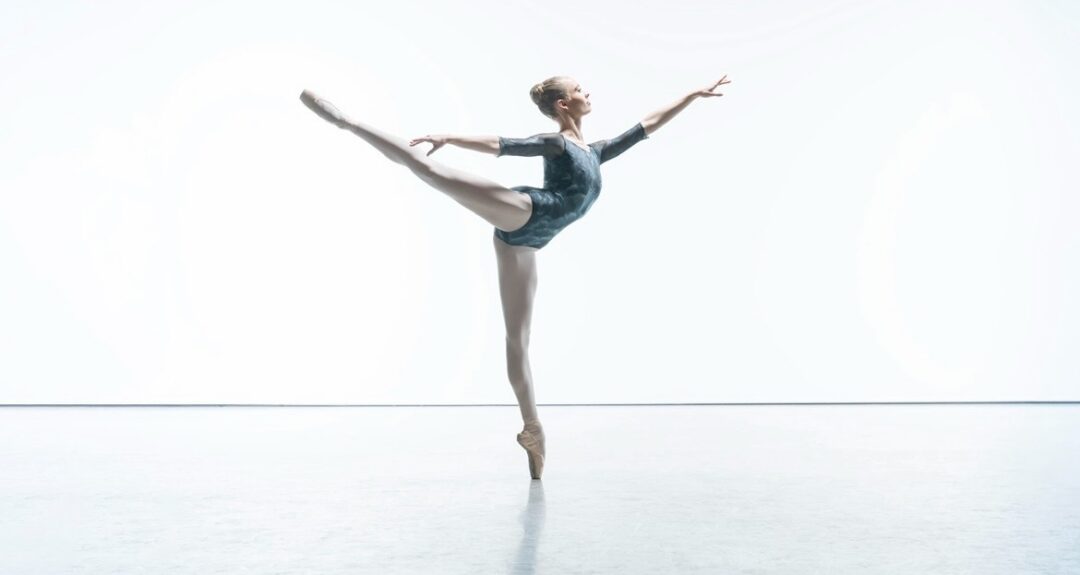
In ballet, flexibility is essential to meet the demands of positions such as arabesque, grand jeté, splits, and pointe work, and dancers often spend a lot of time perfecting it. However, stretching alone can place excessive stress on muscles, tendons, and joints. Injury prevention goes beyond flexibility — it’s the combination of strength, stability, and control of the musculoskeletal system that allows dancers to reach end-range positions safely.
Techniques such as eccentric loading are considered highly effective in injury prevention. Eccentric exercises are where muscles lengthen under load, stimulating the muscle fibres and increasing sarcomere length. This builds strength throughout the full range of movement, helping dancers feel strong and controlled in end-range positions while also giving the nervous system reassurance that the body can move safely during demanding movements.
Cross-Training
Cross-training is another key aspect of injury prevention. Stepping outside the studio into activities like swimming, resistance training or team sports challenges the body and mind in alternative ways. This helps improve cardiovascular fitness, endurance, and supports balanced strength for optimal performance. Training new movement patterns also sparks creativity, prevents burnout, and helps create resilient and well-rounded athletes.
Neuromuscular control
Neuromuscular control is essentially how your brain, muscles, and joints work together to move safely and efficiently. It’s what helps you land jumps without wobbling, turn with stability, and hold challenging positions with control. Structured exercises, such as the 11+ Dance warm-up, show that practicing balance, take-off and landing technique, and alignment can improve overall movement control. Put simply, neuromuscular control teaches your body to move safely, efficiently, and with better coordination.
You can learn more about the 11+ Dance Screen and supporting research here:
https://journals.sagepub.com/doi/10.1177/1089313X241300567
(The 11+ Dance Screen is designed to assess movement quality, control, and physical deficits that may be associated with increased injury risk in dancers. It provides a structured way to identify areas that may benefit from targeted strength and neuromuscular training)
Wellbeing
Wellbeing is vital for longevity in dance, and research in dance medicine and sports science consistently highlights three foundations:
- eating well and enough
- sleeping well
- taking rest or de-load days
Fuelling properly gives the body the energy it needs to repair tissue, maintain bone health, and meet the physical demands of training. Under-fuelling in relation to energy expenditure is one of the most common contributors to injury in dancers.
Sleep supports coordination and overall recovery so the body can adapt to training safely.
Rest days or lighter training days allow muscles, tendons, and the nervous system to recharge, preventing overuse injuries and burnout.
My Approach to Treatment as a Former Dancer Turned Physiotherapist:
-
I understand the culture of dance.
Years in vocational training mean I know the structure, expectations, and pressure dancers work under. This allows me to work collaboratively with dancers to set realistic goals and communicate effectively with teachers regarding injury prevention and training modifications.
-
I speak the same language as ballet dancers and teachers.
Knowing ballet terminology and class structure helps keep communication clearly with, both with dancers and within the wider MDT. It also helps me understand mechanisms of injury and identify which specific movements or technical elements may require attention.
-
I know what dancers can and cannot safely do.
I understand technique and class progression, I can give realistic guidance on recovery, returning to class, adapting exercises, and pacing training, ensuring dancers return to performance safely and confidently.
-
I blend dance knowledge with physiotherapy science.
My clinical training allows me to design rehab that is evidence-based and tailored to the demands of dance. This includes considerations such as load management, periodisation, recovery planning, and supporting dancers through classes, rehearsals, and performances.
- I appreciate the importance of well-being.
Having been through vocational training myself, I understand the pressure to push through fatigue, the frustrations that come with injury, and the culture of perfection. This helps me support dancers in a way that feels empathetic, practical, and relevant to what they’re experiencing.
What to Expect from a Dance-Specific Physiotherapy Session:
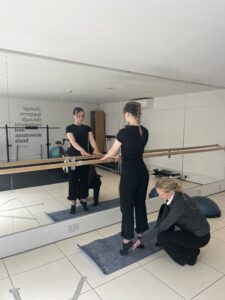
A dance-specific physiotherapy session is tailored to the individual dancer and may include:
- A detailed discussion about your dance style, weekly training load, and personal goals
- Basic pointe shoe review or guidance where appropriate
- A structured dance screening assessment to identify strengths, imbalances, and potential injury risk factors
- Development of a personalised exercise programme designed around your goals, needs and stage of training
I look forward to helping you with dance specific injury prevention sessions or physiotherapy intervention. Please drop by APPI or send us a message as we’d be delighted to hear from you.